We break it down.
You make the call.
On Voice, they listen.
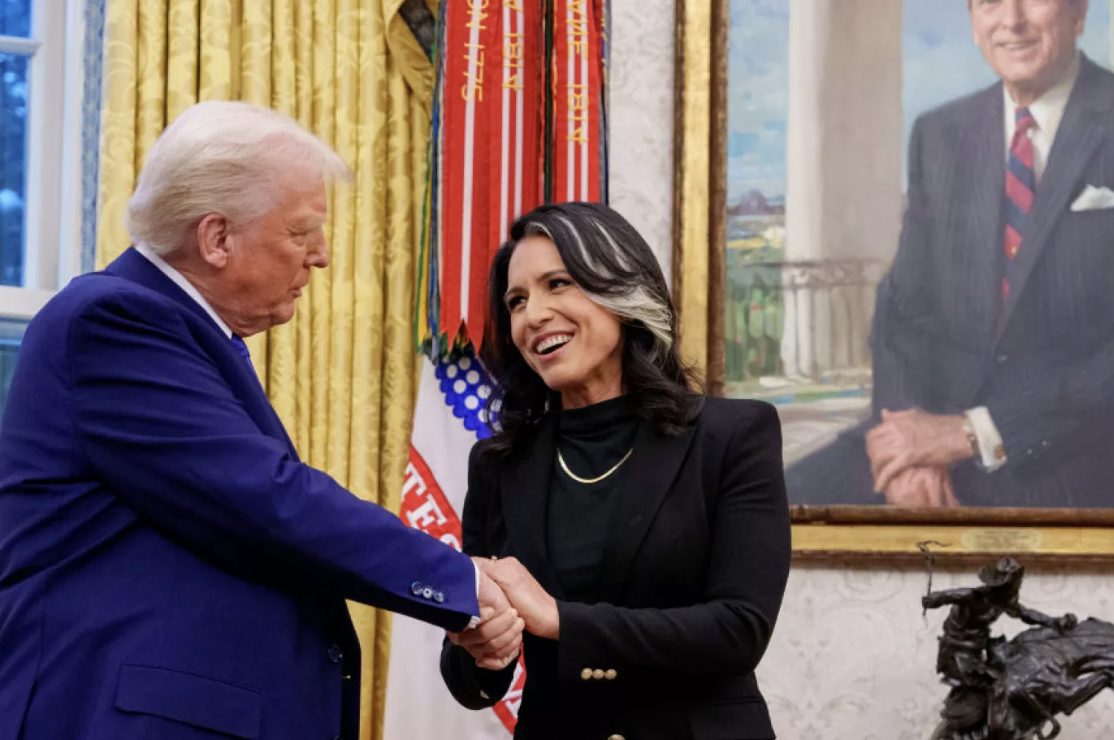
U.S. President Donald Trump
Gabbard Says Trump's Iran Goals Differ From Israel's
What's the gist?
Director of National Intelligence Tulsi Gabbard told lawmakers that President Trump's objectives regarding Iran are different from those of the Israeli government, highlighting potential divergence in Middle East policy approaches.
Context
The statement came during congressional testimony as tensions remain high in the Middle East, with ongoing conflicts involving Iran and Israel continuing to shape U.S. foreign policy considerations.

Positive Reactions
Independent Decision-Making: Trump is prioritizing American interests over automatic alignment with allies, showing he won't be pressured into policies that don't serve U.S. goals.
Diplomatic Flexibility: Different objectives could create space for more nuanced diplomacy and potentially reduce the risk of unnecessary military escalation in the region.
Strategic Clarity: Gabbard's transparency about policy differences demonstrates the administration's willingness to be honest about complex international relationships and competing priorities.

Negative Reactions
Alliance Strain: Publicly acknowledging different goals from a key ally could weaken the crucial U.S.-Israel partnership and embolden Iran's regional ambitions.
Mixed Messaging: Divergent objectives might confuse both allies and adversaries about America's actual commitments and red lines in the volatile Middle East.
Security Risks: Daylight between U.S. and Israeli positions could be exploited by Iran to drive wedges between the allies and advance destabilizing activities.
WRITTEN BY VOICE
What's Voice? Read this.
📰 News Sources
- Gabbard says Trump's objectives in Iran differ from the Israeli government — NBC News (https://www.nbcnews.com/video/gabbard-says-trump-s-objectives-in-iran-differ-from-the-israeli-government-259590725607)
- Trump administration signals different Iran approach from Israel — Reuters (https://www.reuters.com/world/middle-east/trump-administration-signals-different-iran-approach-israel-2026-03-19)
- Gabbard testifies on Iran policy divergence with Israel — Fox News (https://www.foxnews.com/politics/gabbard-testifies-iran-policy-divergence-israel)
How is Donald Trump doing in this moment?
 50
50 TerribleAmazing